Source right side steering electric vehicle for mining, farms, and estates
Explore 30 listings of right side steering electric vehicle options suitable for industrial and agricultural tasks. Buyers can compare specifications like battery capacity, motor power, and cargo dimensions to find the ideal unit for their operational needs.
Key considerations
Products List


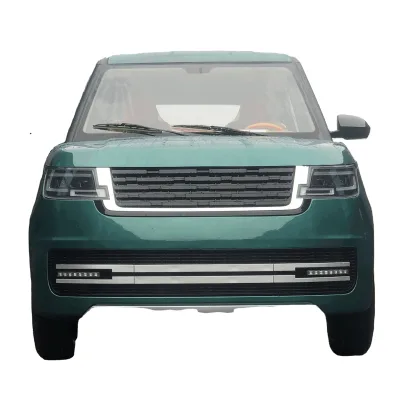
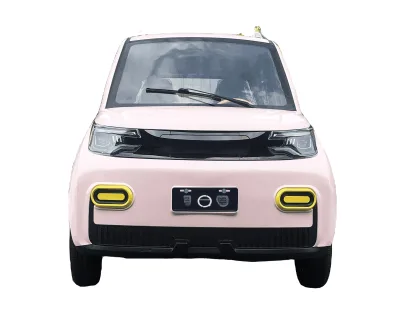


LHD & Rhd, High Speed & Low Speed, 300km Electric Vehicle with Double Screen
$6800.00 - $8980.00
Moq: 24


Comprehensive Sourcing Guide
Sourcing Guide for Right Side Steering Electric Vehicles
The global shift toward electrified logistics and utility transport has created a specialized demand for right-hand drive (RHD) electric vehicles. These vehicles are essential for markets where traffic flows on the left, such as the United Kingdom, Australia, Japan, and various Commonwealth nations. Procuring these units requires a nuanced understanding of technical configurations, regulatory compliance, and supply chain logistics. This guide synthesizes available product data and industry standards to assist buyers in navigating the complex landscape of sourcing RHD electric utility vehicles, ensuring that the selected equipment meets operational needs without compromising on safety or regulatory adherence.
Technical Specifications and Powertrain Configuration
When evaluating electric utility vehicles, the powertrain architecture is the primary determinant of performance. Based on observed market data, the sector features a diverse range of motor technologies, with Permanent Magnet Synchronous Motors (PMSM) being a prominent choice for high-efficiency applications. These motors are often paired with automatic transmission systems, simplifying operation for drivers in varied terrain. The rated power for these units varies significantly depending on the intended load and speed requirements. Some configurations utilize motors rated at 10KW, suitable for heavy-duty tasks, while others operate with lower outputs such as 3500W or 1500W for lighter utility roles.
Battery capacity and voltage are critical factors influencing range and longevity. The observed data indicates a prevalence of 72V systems, with specific battery capacities reaching up to 140AH. The chemistry of the battery also varies; Lead Acid Gel batteries are a common specification, offering a balance between cost and performance, though other configurations may exist. Charging times typically range between 9 to 10 hours using an on-board charging system, which is standard for many commercial fleets.
Performance metrics must align with local traffic laws and operational demands. Maximum speeds observed in the current market data range from 30-40km/h to 52km/h. This variance suggests that buyers must verify the specific speed governor settings required for their jurisdiction. Range capabilities are equally variable, with single-driver ranges reported between 65km and 80km, and specific models citing a maximum of 75km. For buyers targeting RHD configurations, it is vital to confirm that the steering geometry and dashboard layout are physically adapted for right-hand operation, as standard left-hand drive models cannot be simply "flipped" without structural and electrical re-engineering.
Compliance and Certification Verification
Navigating the regulatory landscape is perhaps the most critical step in sourcing electric vehicles. Different regions enforce distinct certification requirements to ensure safety and environmental compliance. The provided data highlights several key certifications, including EPA (Environmental Protection Agency), CE (Conformité Européenne), EEC (Economic Commission for Europe), and CCC (China Compulsory Certification). The presence of EPA certification is particularly relevant for buyers in the United States, as it verifies that the vehicle meets specific emissions and noise standards, even for electric models which may have noise requirements.
However, the mere presence of a certification label on a product listing does not guarantee that every unit in a batch is compliant. Buyers must verify that the specific model number, such as the EV100X 4X4 or the EV100 4X4, carries the valid certification for the target export market. For instance, the EEC certification is essential for vehicles intended for the European Union, while CE marks are mandatory for general European market access. The data also notes a standard dimension of 2623x1440x2003mm for certain models, which may be relevant for compliance with road width and height restrictions in specific countries.
Buyers should not assume that a vehicle certified in one region is automatically compliant in another. The "Right Side Steering" attribute implies a specific market focus, and the regulatory body for that market (e.g., DVSA in the UK or VCA in Australia) may have unique requirements for lighting, braking, and steering systems. It is imperative to request the original certification documents for the specific batch being purchased, rather than relying on general marketing claims.
Cost Drivers and Pricing Structures
The pricing of electric utility vehicles is influenced by a complex interplay of factors, including motor power, battery capacity, and customization levels. The observed price range in the market spans from $71 to $12,000 USD, a wide disparity that reflects the difference between basic utility carts and fully equipped, high-performance 4x4 vehicles. A vehicle with a 10KW motor and a 140AH battery will naturally command a higher price point than a model with a 1500W motor and a smaller battery pack.
Minimum Order Quantity (MOQ) is another significant cost driver. The data indicates an MOQ range of 1 to 60 units. Buyers purchasing a single unit may face higher per-unit costs due to the lack of economies of scale, whereas bulk orders of 60 units can significantly reduce the average cost. Customization is listed as "Available," which introduces variable costs. Features such as specific body types (e.g., Open Body), specialized suspensions (Rear Suspension), or custom packing (Carton Box vs. Iron Frame vs. Wooden Box) will impact the final invoice.
Additionally, the material composition affects cost. Models utilizing High Carbon Steel for structural components may offer greater durability but at a higher material cost compared to lighter alloys. The inclusion of advanced features like Intelligent Controllers, Electronic Brakes, and LED Head Lights also contributes to the overall price. Buyers must carefully weigh the necessity of these features against their budget, ensuring that the selected configuration provides the required utility without unnecessary expenditure.
Typical Applications and Operational Use Cases
The versatility of electric utility vehicles allows them to serve a wide array of applications, from last-mile delivery to industrial site management. The data suggests several distinct use cases based on the vehicle's specifications. Models with a dump bed capacity of 150kg and dimensions of 930x1270x380mm are ideal for construction sites, waste management, and agricultural tasks where material transport is required. The 4x4 capability noted in models like the EV100X 4X4 makes them suitable for off-road environments, such as golf courses, large estates, or uneven industrial terrain.
For urban logistics, vehicles with a maximum speed of 30-45km/h and a range of 65-80km are well-suited for delivery services within city limits. The "Unisex" designation and "Open" body type suggest these vehicles are designed for general workforce use, accommodating various operators. The presence of power-operated doors and windows in some configurations indicates a higher level of comfort, potentially for security patrols or executive transport within large compounds.
The specific tire sizes, such as 25x8-12 for the front and 25x10-12 for the rear, or the Vacuum(400-10) tires observed in other models, dictate the vehicle's suitability for different surfaces. Wider tires generally provide better traction and stability for heavy loads, while vacuum tires may offer a smoother ride on paved surfaces. Buyers should match the tire specification to the primary operating environment to ensure optimal performance and safety.
Supplier Evaluation and Product Verification
Evaluating suppliers requires a rigorous approach to verifying the authenticity of product claims. The data lists "HT" as a brand name and "Shanghai" and "Shandong, China" as places of origin. While these are specific data points, buyers must not rely solely on these details without further verification. The existence of multiple model numbers, such as RLT, EV100, and EV100X, indicates a diverse product line, and buyers must ensure the supplier can consistently deliver the specific RHD configuration required.
Key verification steps include confirming the supplier's ability to provide the "Right Side Steering" modification as a standard or custom option. The data mentions "Customization: Available," but this must be explicitly confirmed with the supplier to ensure the steering column, pedals, and instrument cluster are correctly positioned. Additionally, the packing method (Carton Box, Iron Frame, or Wooden Box) should be verified to ensure the vehicle arrives without damage, especially for international shipping.
Buyers should also assess the supplier's track record regarding the specific certifications mentioned. A supplier claiming EPA or CE certification should be able to provide valid certificates from the issuing bodies. The "Intelligent Controller" and "Electronic Brake" features should be tested for functionality, as these are critical safety systems. The "Rear Suspension" specification should be validated to ensure it meets the load-bearing requirements of the intended application.
Quality Control and Long-Term Procurement Considerations
Ensuring long-term reliability requires a robust quality control (QC) strategy. The observed data highlights several components that are prone to wear and tear, such as the battery, tires, and braking systems. The battery type, specifically the Lead Acid Gel battery, has a finite lifespan and requires regular maintenance. Buyers should inquire about the expected cycle life and the availability of replacement batteries. The charge time of 9-10 hours suggests that fleet operators may need to plan for overnight charging cycles to maintain continuous operations.
The braking system, whether Electronic or Rear Drum Brake, is a critical safety component. Regular inspections and maintenance schedules should be established to ensure these systems remain effective. The "High Carbon Steel" material used in the frame provides durability, but it is susceptible to corrosion if not properly treated. Buyers should verify the anti-corrosion treatments applied to the vehicle, especially if it will be used in humid or coastal environments.
Long-term procurement considerations also include the availability of spare parts. The "Selling Units: Single item" designation suggests that individual units can be purchased, but for fleet operations, a consistent supply of parts is essential. Buyers should negotiate service level agreements (SLAs) with suppliers that guarantee the availability of critical components like controllers, motors, and batteries. Furthermore, the "Applicable People: Unisex" specification implies a broad user base, and training programs should be developed to ensure all operators can safely and effectively use the vehicle's features, such as the power-operated doors and intelligent controllers.
In conclusion, sourcing right side steering electric vehicles requires a meticulous approach that balances technical specifications, regulatory compliance, and cost considerations. By carefully analyzing the provided data and conducting thorough due diligence, buyers can identify suppliers that offer reliable, compliant, and cost-effective solutions tailored to their specific operational needs. The diversity of available models, from the 10KW high-performance units to the 1500W utility carts, ensures that there is a suitable option for almost any application, provided the buyer takes the time to verify the specific requirements of their target market.
FAQs
Can I find right side steering electric vehicles with EPA certification?
Yes, models with EPA certification are available for export to the United States. Buyers must verify that the specific batch carries valid EPA documentation for the target market before purchase.
What is the maximum speed for these electric utility vehicles?
Maximum speeds range from 30-40km/h to 52km/h depending on the specific model configuration. Buyers should confirm the speed governor settings to ensure compliance with local traffic laws.
Which battery type is commonly used in these electric vehicles?
Lead acid gel batteries are a common specification for these units, often paired with 72V systems. Charging typically takes 9 to 10 hours using an on-board charging system.
How much payload capacity do these dump bed vehicles offer?
Specific models feature a dump bed capacity of 150kg with dimensions of 930x1270x380mm. This configuration is suitable for construction sites, waste management, and agricultural transport tasks.
What is the minimum order quantity for these electric vehicles?
The minimum order quantity ranges from 1 to 60 units depending on the supplier and configuration. Bulk orders of 60 units can significantly reduce the average cost per vehicle.
Can I customize the packing for these electric utility vehicles?
Customization is available, with options including Carton Box, Iron Frame, or Wooden Box packing. Buyers should specify their preferred packing method to ensure safe international shipping.